
Sexual desire does not disappear simply because a woman reaches a certain birthday. Yet during the years surrounding menopause, it can feel less spontaneous, less predictable, or simply different. A woman may still value intimacy deeply while wondering where her spark went.
Food cannot manufacture desire on command, and no single ingredient holds the secret to a passionate relationship. Still, daily eating habits influence many of the things that make intimacy appealing: steady energy, a comfortable body, emotional balance, confidence, and the ability to relax into pleasure. In our guide to diet and sex, we’ll break down how nutrition can affect your sex life.
Desire Begins Long Before the Bedroom
Sexual well-being involves far more than physical attraction. Your mental load, sleep quality, stress level, relationship dynamics, and feelings about your body can all affect whether intimacy sounds inviting or like one more item on a full schedule.
Nutrition enters the picture because the body needs consistent fuel to support energy, concentration, movement, and mood. When meals leave you depleted, distracted, or uncomfortably full, desire may naturally move down the priority list.
Energy Makes Room for Intimacy
It is difficult to feel playful when you are running on fumes. Skipping meals, relying on coffee for momentum, or eating very little during the day can create a cycle of fatigue, irritability, and intense evening hunger. By bedtime, your body may want rest far more than romance.
Regular meals that combine protein, carbohydrates, healthy fats, and colorful produce can help sustain energy across the day. This does not require perfect portions or complex meal plans. It might look like eggs with whole-grain toast and berries, a hearty lentil soup with avocado, or salmon with roasted vegetables and rice.
Blood Flow Supports Physical Responsiveness
Arousal depends partly on healthy circulation. Blood flow contributes to physical sensitivity and the body’s natural response to touch, which makes cardiovascular well-being relevant to sexual wellness.
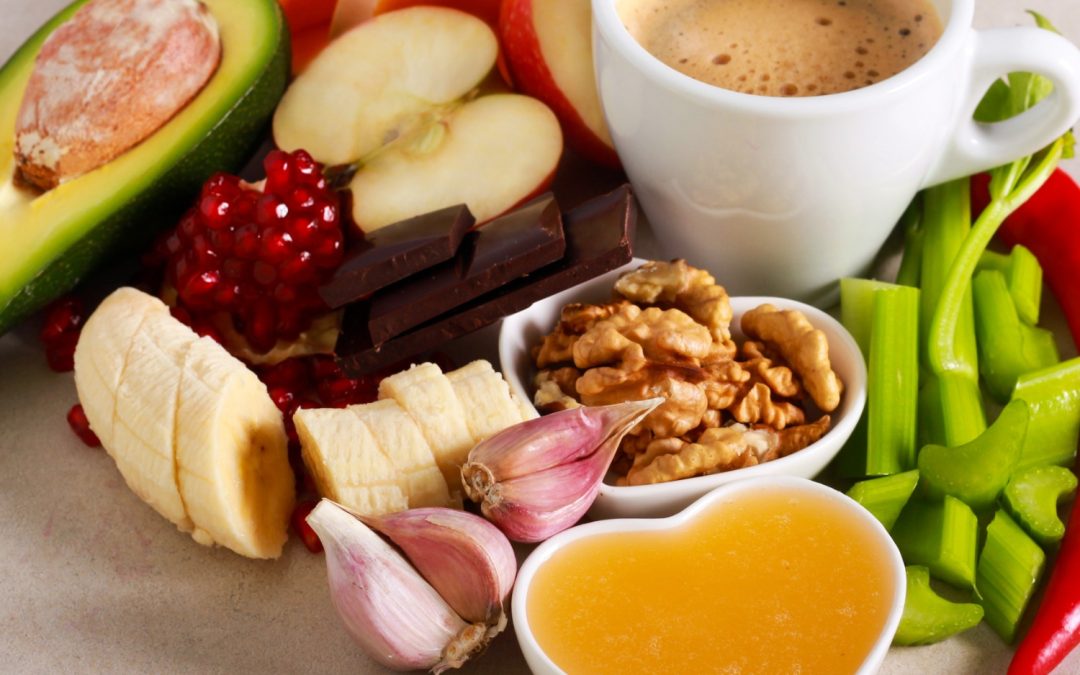
Foods that support heart health also fit beautifully into a pleasure-friendly way of eating. Leafy greens, berries, citrus fruit, beans, olive oil, nuts, seeds, whole grains, and fatty fish bring variety to the plate while supporting overall vitality.
Healthy Fats Belong at the Table
For years, many so-called experts warned women against dietary fats. That led to meals that looked virtuous but felt deeply unsatisfying. Fat adds flavor, texture, and staying power, and it plays an important role in a balanced diet.
Olive oil, walnuts, chia seeds, flaxseeds, avocado, eggs, and oily fish can make meals feel both nourishing and pleasurable. Drizzling olive oil over roasted vegetables or adding avocado to a grain bowl makes the food enjoyable, and enjoyment matters when building habits that can last.
Protein Helps You Feel Grounded
When examining how nutrition affects your sex life, protein must be a cornerstone of your diet. Protein supports muscle, recovery, and satisfying meals, all of which become increasingly meaningful in midlife. Feeling physically steady can also improve confidence, especially when strength and mobility help you participate fully in the activities you love.
Try viewing protein as an anchor rather than a rule. Greek yogurt, tofu, poultry, fish, beans, lentils, cottage cheese, and eggs can all create a more substantial meal. Pairing protein with fiber-rich carbohydrates may also help prevent the late-afternoon energy crash that can drain enthusiasm for an evening date, a walk with your partner, or unhurried time together.
Pleasure Should Not Require Diet Perfection
Rigid food rules can create distance between you and your body. When every bite becomes a moral decision, eating stops feeling intuitive and starts feeling like a test. That tension can spill into body image, confidence, and intimacy.
A more supportive approach makes room for nourishment and delight. Dark chocolate after dinner, fresh bread with olive oil, or sharing a favorite pasta with someone you love can belong in a healthy life. Food carries sensory pleasure, culture, memory, and connection.
The Restrict-and-Rebound Cycle Drains Confidence
Restrictive dieting may promise control, but it can preoccupy your mind with food and disconnect you from hunger, fullness, and satisfaction. It may also reinforce the idea that your body must become smaller before it deserves affection or pleasure.
Your body is not a renovation project standing between you and a fulfilling sex life. Nourishing it consistently sends a different message: this body deserves care now. That shift may not happen overnight, but it can create space for greater ease, presence, and self-respect.
Mood, Stress, and Desire Share the Same Table
Stress can make it difficult to transition from handling responsibilities to receiving affection. Food cannot erase a demanding day, but erratic eating can make tension feel sharper. Hunger, dehydration, excess caffeine, and alcohol can all affect how grounded and emotionally available you feel.
Notice how your habits influence you personally. Perhaps a second afternoon coffee leaves you restless, or wine makes you sleepy before the evening begins. Maybe a balanced snack helps you arrive home with enough patience and energy to connect. Curiosity provides more useful information than judgment.
Create a Calmer Evening Rhythm
The atmosphere surrounding a meal can matter as much as the ingredients. Eating while standing at the counter, answering messages, or scrolling through upsetting news keeps the nervous system in a state of activity. Sitting down, slowing your pace, and tasting your food can signal that the day is beginning to soften.
Can Certain Foods or Herbs Increase Desire?
Many cultures have long associated certain foods and herbs with romance, vitality, and sexual energy. Dark chocolate, maca, ashwagandha, damiana, and other botanicals frequently appear in conversations about female desire. Some women enjoy exploring these traditions, but it helps to approach dramatic promises with perspective.
No herb can address every reason desire changes, and natural does not automatically mean suitable for everyone. This list of the best herbs for boosting female sex drive provides a useful starting point for learning more about certain ingredients and their libido effects. Review any herbal choice carefully, especially when taking medication or managing an existing health concern.
Begin With the Everyday Basics
Before searching for a special ingredient, look at the patterns already shaping your day. Do your meals satisfy you? Are you drinking water, getting restorative sleep, and giving yourself moments of genuine enjoyment?
These basics may seem less exciting than an exotic botanical, yet they create the conditions that support well-being. A consistent breakfast, a colorful lunch, and a dinner you enjoy can be more powerful than chasing quick fixes while remaining exhausted and underfed.
Let Food Support Connection, Not Performance
The relationship between nutrition and libido is not about eating perfectly so your body performs on demand. It is about creating an internal environment where energy, confidence, pleasure, and connection have a better chance to flourish.
Start with one generous change. Add rather than subtract: more color, more satisfying protein, more healthy fat, more water, or more time to enjoy a meal without distraction. Midlife does not close the door on desire. It can become an invitation to understand your body more deeply, nourish it with respect, and rediscover pleasure on your own terms.