Library · Nutrition
What is a healthy diet, really?
You've found yourself here because you want to eat a healthy diet — and you're not sure exactly what that means. You've done plenty of research on the internet, which probably brought up more questions than answers. The only question that matters is: what's the right diet for me, for now?
Welcome
Our goal is to give you the knowledge you need to make an informed decision on how and what to eat that fits into your life and lets you live a healthy, happy one. If you decide you need a little guidance, we'll help you find the right expert — because that's what we're all about here at LHL: helping you find what you need in order to live the healthy life.
What is the best healthy diet?
The answer depends on who you ask and the school of thought they subscribe to. Different practitioners believe different things. When it comes to eating, there isn't one diet that works for everyone — which explains why there are so many eating plans, and why a new one seems to launch every day. No wonder it's confusing. There is some truth (and some fiction) in most of the data presented.
So what is a healthy diet?
The basics of a healthy diet are actually quite simple. Your body — every body — needs a mix of proteins, carbohydrates, and fats, plus vitamins and minerals to sustain a body that feels good, moves well, and functions at its best. Done right, your food choices actively protect you against chronic diseases like heart disease, diabetes, and cancer. A bonus: you get to do the things you want to do and live a fulfilled life.
Your overall dietary plan is essential for a healthy body and a healthy mind. Eat a variety of foods and consume less salt, sugar, and saturated and trans-fats. The foundation of a healthy diet should be to replace processed food with real food, most of the time. Instead of focusing on what you shouldn't eat, focus on all of the nutritious and delicious things you CAN include on a daily basis to improve health and tantalize your taste buds.
Eating food that's as close as possible to the way nature made it can make a huge difference to the way you think, look, and feel. A diet based on real food may be one of the most important things you can do for your health. In a nutshell — eat real food for a healthy, happy life.
What is real food?
Real foods are whole foods — mostly unprocessed, free of chemical additives, and rich in nutrients. These are the foods people ate prior to the 20th century, when processed, packaged, and ready-to-eat meals became the bulk of the western diet.
Fruits, vegetables, nuts, seeds, whole grains, legumes, lean meat, poultry, and fish are the staples of a healthy diet of real food.
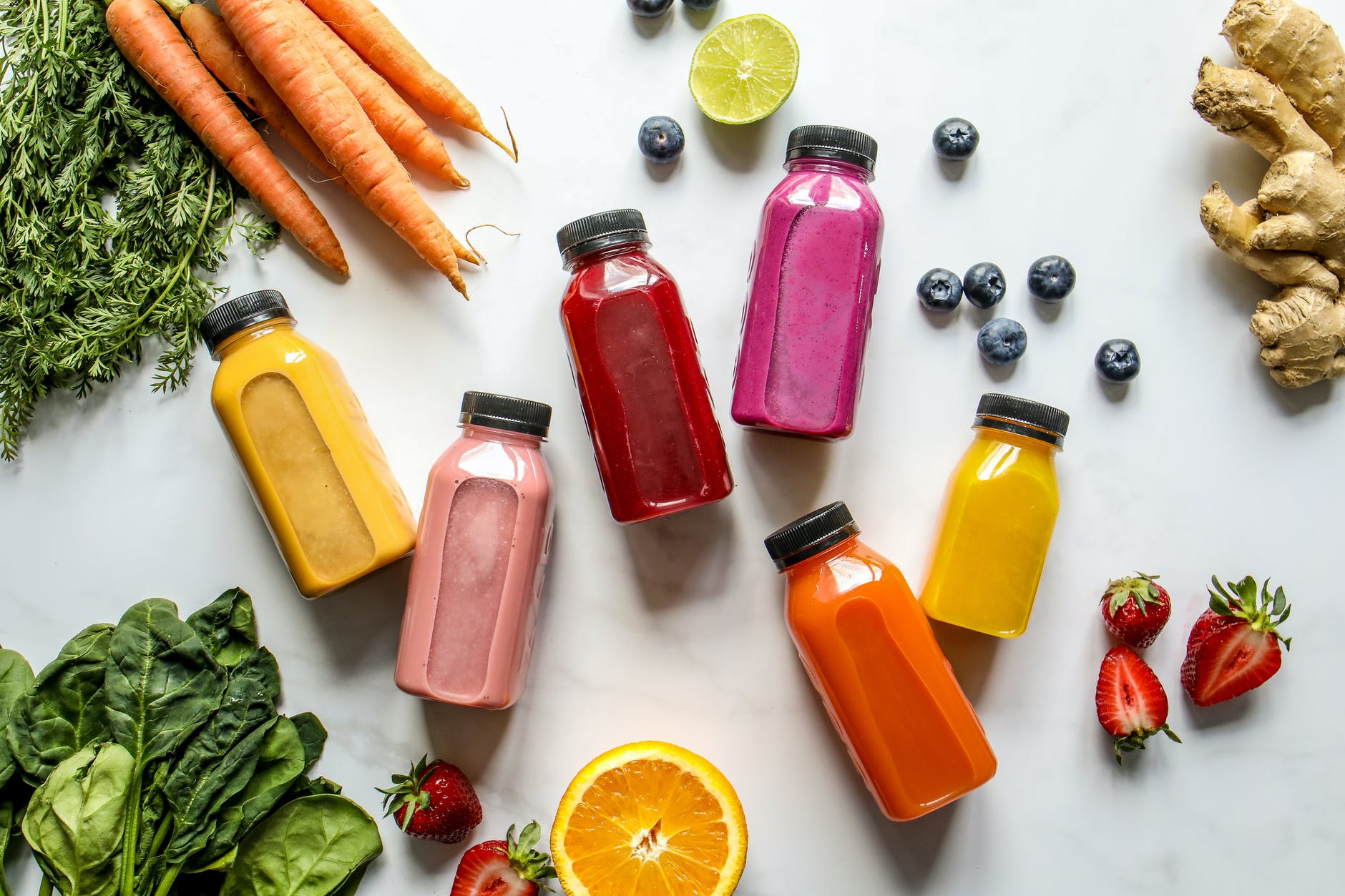
The basic premise of Eat Real Food (aka clean eating) is consuming foods the way nature intended them — or as close as possible. It's a lifestyle philosophy, not a diet. Eat Real Food is a very simple concept.
When it comes to weight loss, most experts agree that Eat Real Food (clean eating) is the fastest, healthiest, most sustainable way to lose weight. Real food is high in nutrition, low in calories, and keeps you fuller longer. Plus, a nourished body has fewer cravings.
The popular philosophies
As simple as Eat Real Food sounds, there are competing theories and philosophies, diets and fads that can make it complicated. Keto, Mediterranean, Plant-Based, Paleo, Vegan, Vegetarian, and Whole 30 are among the more popular — and there are many more.
There are those who swear by these diets and others who caution against them. Our goal is to give you the best information so you can make an educated decision on what will work best for you.
The chart below compares six of the most popular philosophies.
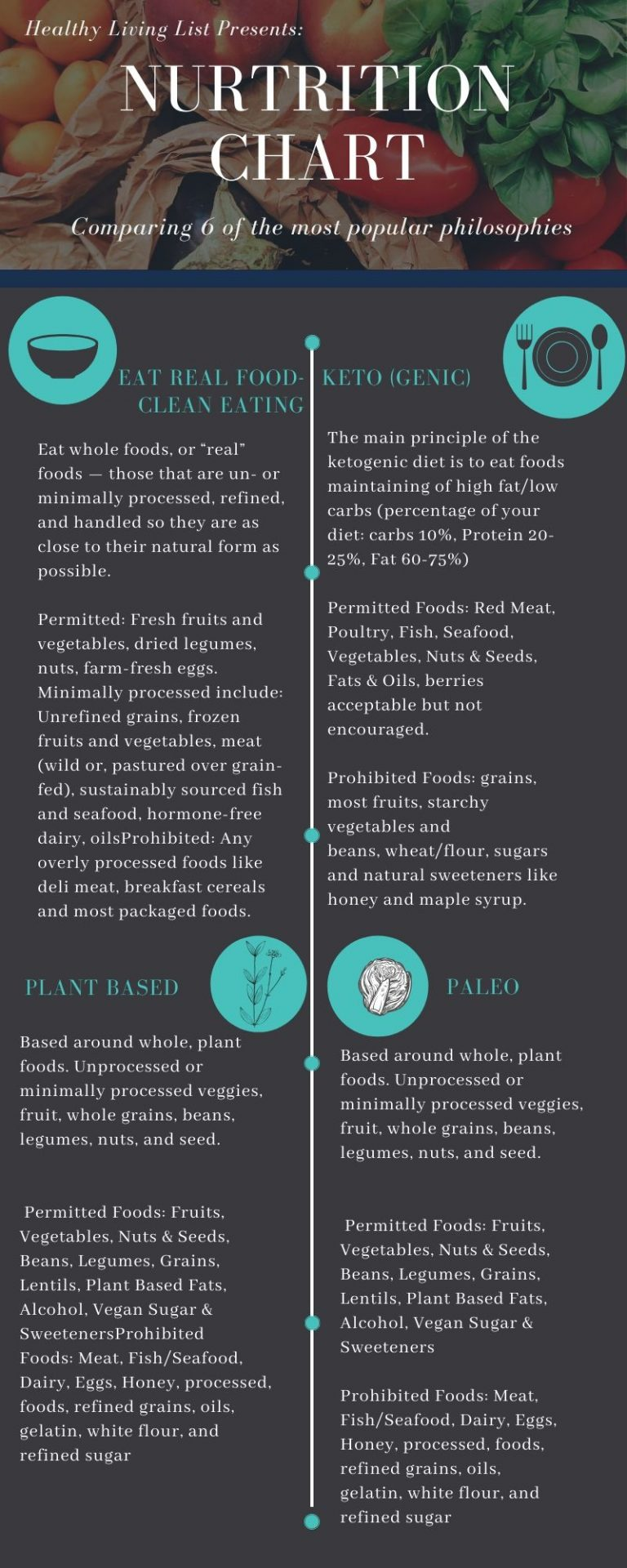
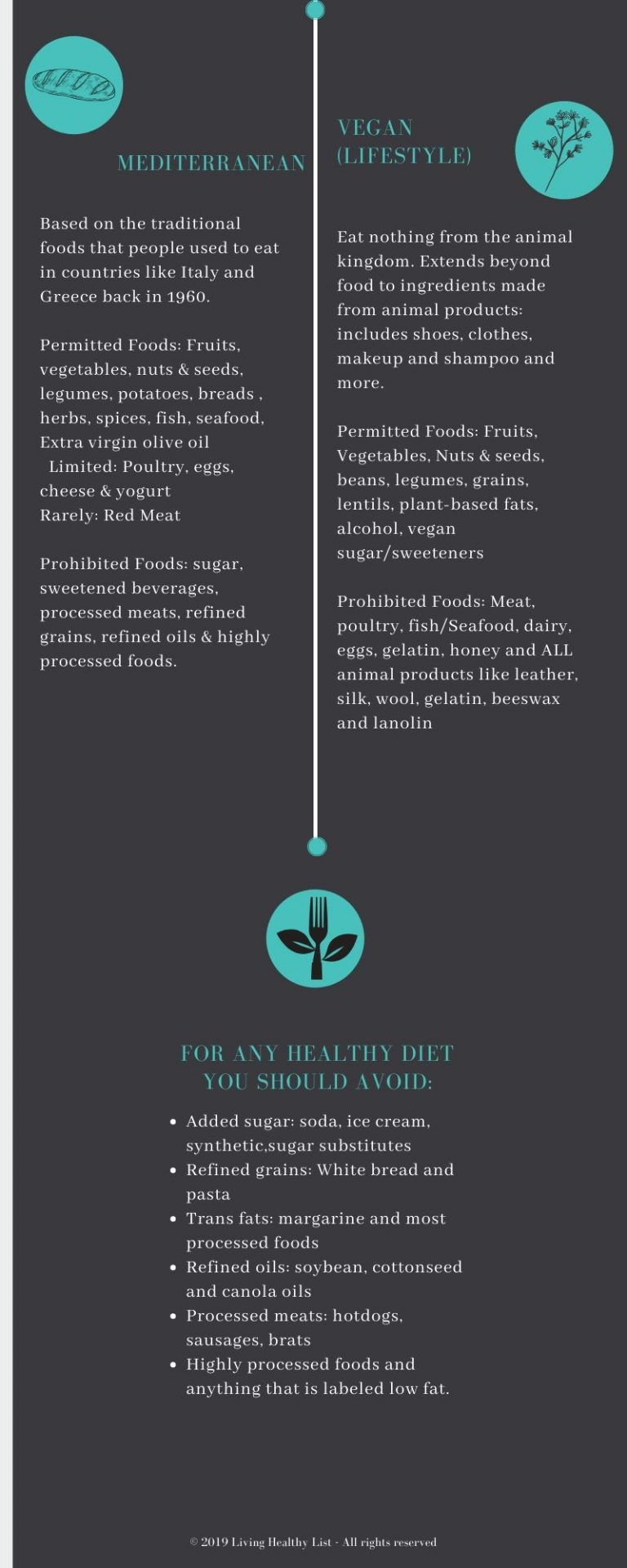
Now that you've looked that over you may be thinking, that eating healthy means you have to radically change your diet and give up all your favorite foods. Not necessarily! Improving your health could be as easy as swapping a few unhealthy choices with healthy ones.
While some philosophies suggest otherwise, eating a healthy diet doesn't mean you must eliminate entire categories of food from your plate. Each food group provides your body with nutrition.
Reducing the amount of certain food groups may be a better option for you. There is even a nonprofit organization named Reducetarian that promotes a diet where participants reduce the amount of meat they consume in order to improve their health, protect the environment and reduce the number of animals killed for human consumption.
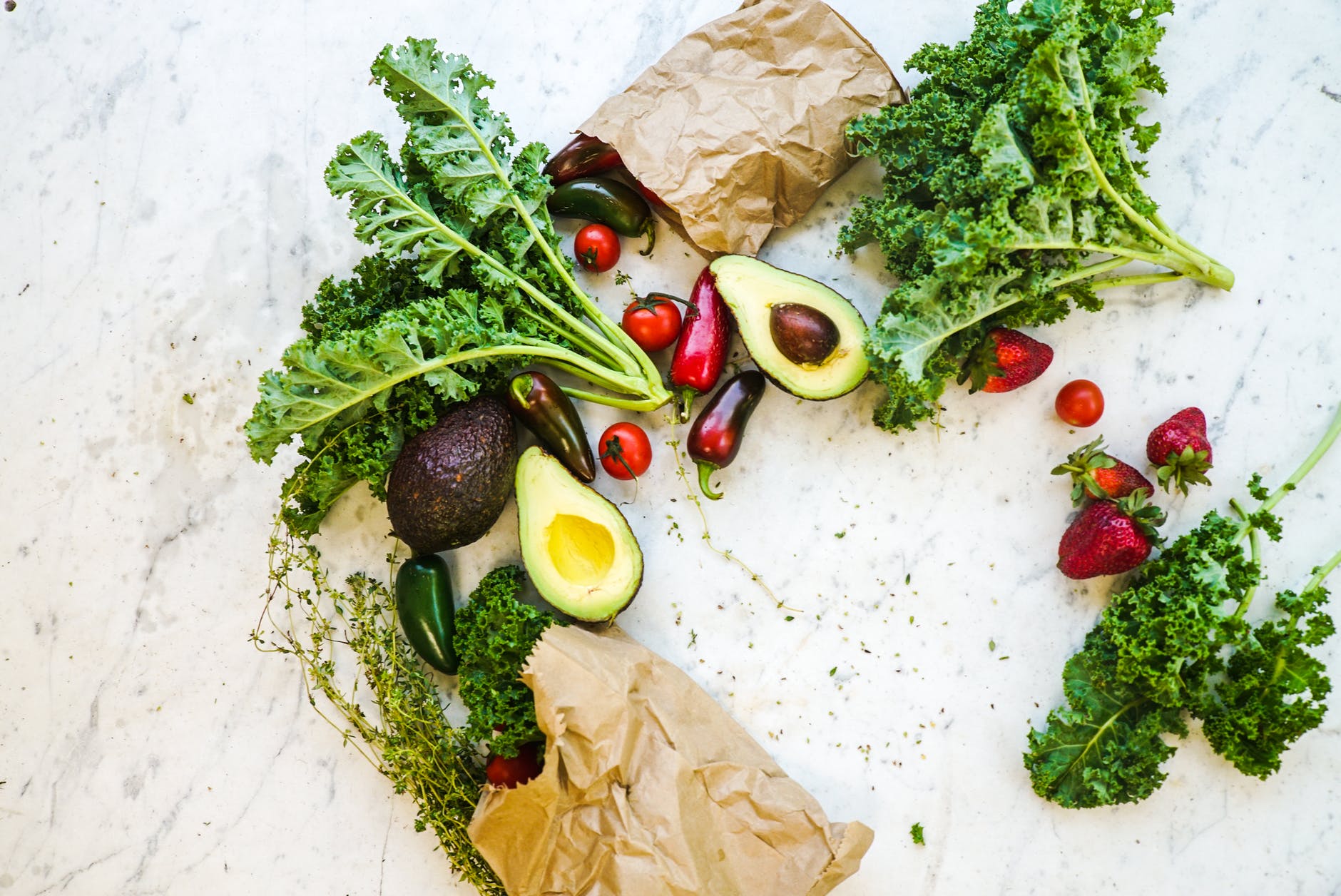
Again, it is important to choose a healthy diet that will work for you and your family. Instead of eliminating entire food groups, consider selecting the healthiest options from each category.
We've made it simple. Click here to Grab The Living Healthy List Eat This Not That Cheat Sheet.
There's one more thing you need to know… calories do count!
There are many thoughts about calorie counting, but at the end of the day, the number of calories you eat, versus the calories you burn, will have the biggest impact on both your health and your weight.
Choose the healthiest foods while staying within your body's unique calorie needs. Too much of a good thing (even certain fruits and vegetables) can be a bad thing when it comes to your weight. Sounds simple.
But how do you know how many calories you should be eating? It's different for all of us, so use this Daily Calorie Calculator to find out your unique number.
It's not about perfection but sustainability
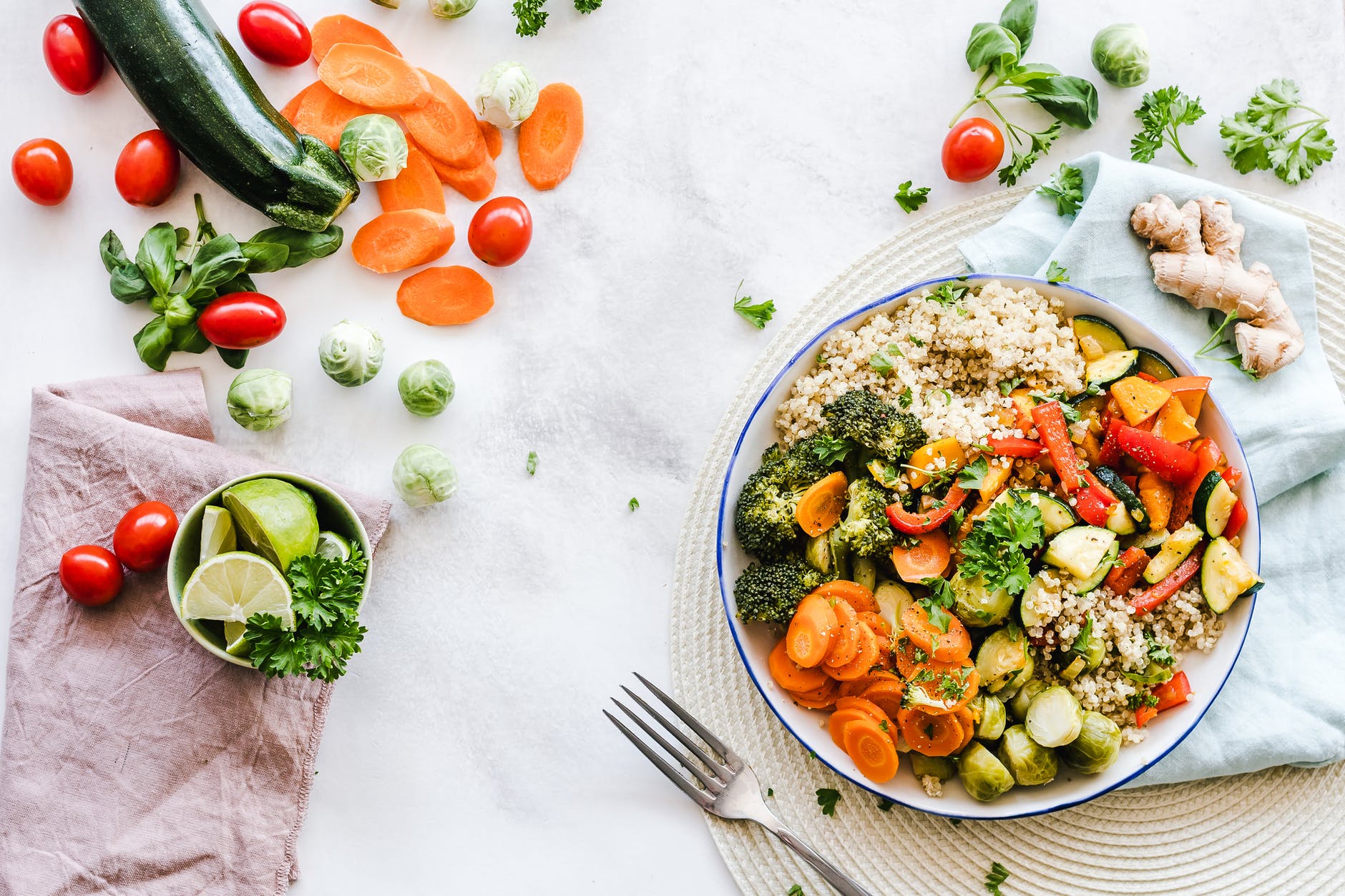
You don't have to be perfect; you don't have to completely eliminate the foods you enjoy, and you don't have to change everything all at once.
A better approach is to make a few small, manageable changes at a time — like adding a salad to your diet once a day. Go vegetarian for breakfast or lunch and enjoy foods you may never have tried. As your small changes become habit, you can continue to add more healthy choices.
Eating real food is just one component of a healthy lifestyle. Regular exercise, quality sleep, lower stress levels, and fun are essential. But there's no doubt that eating real food that maintains proper nutrition will put you on the path to living the healthy, happy lifestyle you always wanted.
Additional resources
Explore more
Back to the full Library