Library · Physical Fitness
Move your body — on purpose.
Are you perplexed by yet another new fitness guru, gym, or program? The industry constantly reinvents itself, and the overload of information keeps most women from ever starting. Let's simplify it.
Basic concepts
The two big issues with exercise are consistency and type. Like most lifestyle changes, exercising takes time to become the new norm — and the effects (or the results of eating less, if weight loss is your goal) can take time to show. Stick with it.
Living healthy with exercise includes
- Just Move It. Move your body every day.
- Eat Real Food.
- Get rest and recovery.
Getting healthy and physically fit should not be this complicated. Every exercise program, gym, or workout fits into four simple categories: aerobic (endurance), strength, flexibility, and stability. Each is important to a body that functions at its best. Most programs blend them — but one usually dominates.
Aerobic (Cardio)
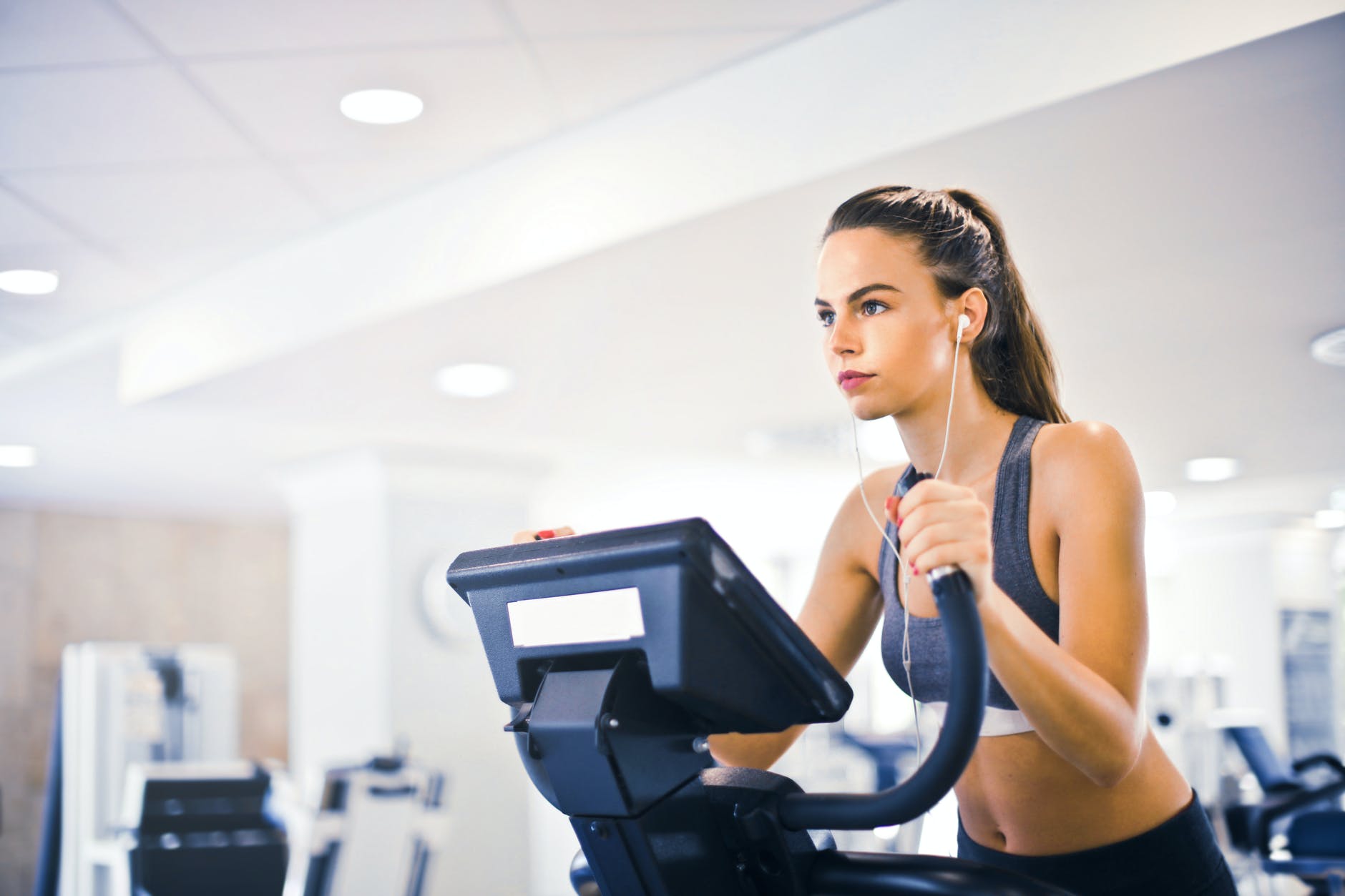
Essential for heart health, stamina, and one of the most popular categories for weight loss. Women tend to gravitate to cardio, especially in gyms full of treadmills and ellipticals. Other examples: walking, running, rowing, cycling, and swimming.
Benefits of cardio
- Helps burn fat and calories for weight loss
- Strengthens your heart so it doesn't have to work as hard to pump blood
- Increases lung capacity for better stamina
- Can help you sleep better
Strength Training
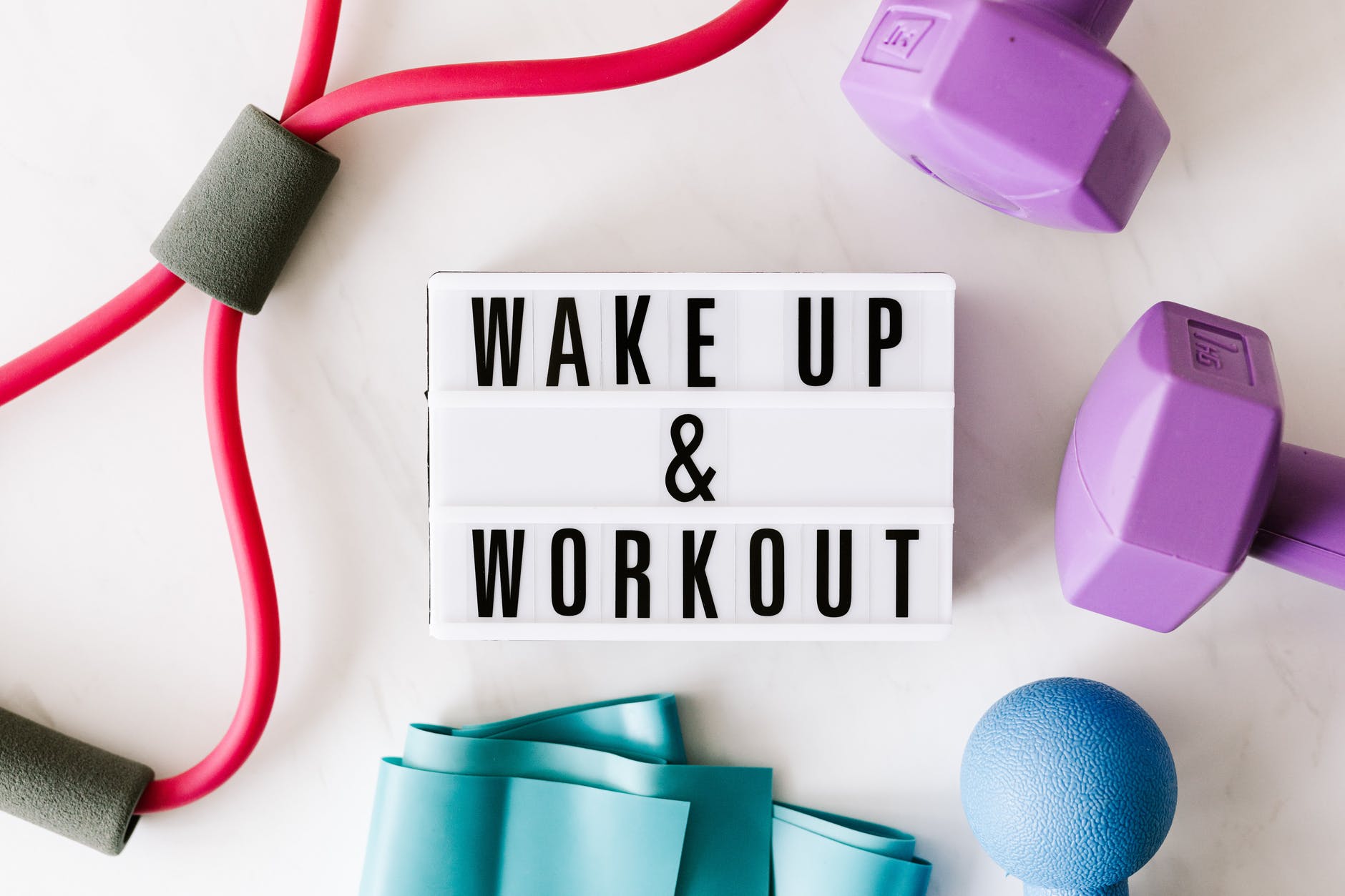
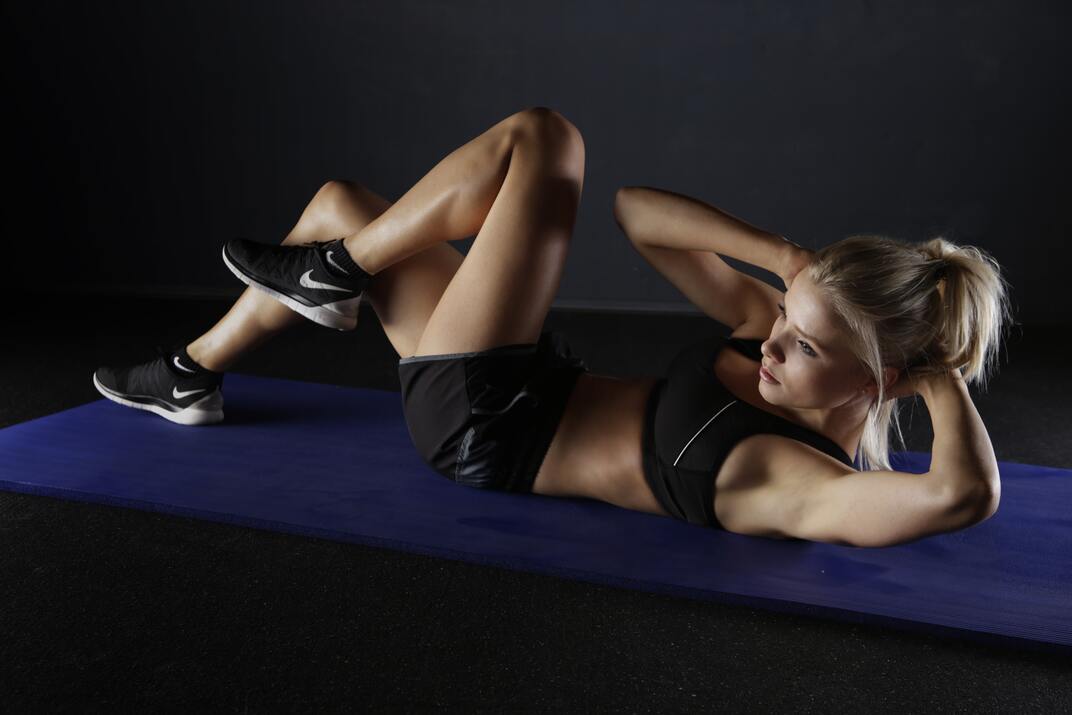
An essential part of a healthy lifestyle — vital for strong bones and muscles. Strength training doesn't necessarily mean lifting heavy weights (though that has benefits). Resistance bands and bodyweight moves like pushups and lunges work equally well for many people, take up less room, and travel easily.
Strength training sculpts your body in a way hours on the treadmill never can. As we get older it can help reduce accidental falls and makes everyday lifting easier.
Benefits of strength training
- Increases muscle mass
- Increases bone density and reduces the risk of fractures
- Helps maintain joint flexibility and can ease arthritis symptoms
- Burns more calories: as you gain muscle, your body burns more even at rest
Flexibility
When you were a kid, could you do cartwheels, splits, or bend over to touch your toes? As we grew up, we spent less time moving freely and more time sitting at computers, driving cars, and scrolling on phones.
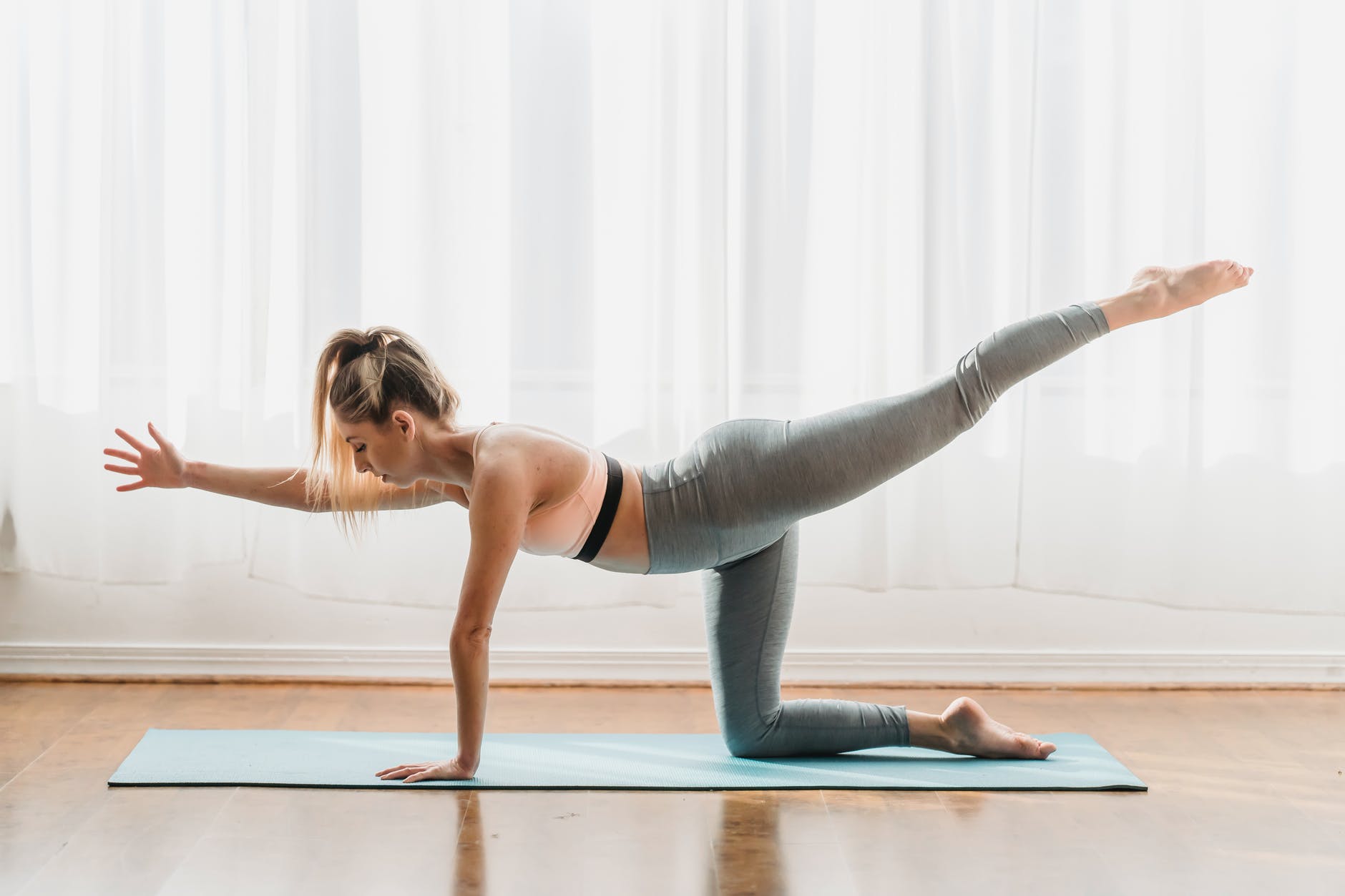
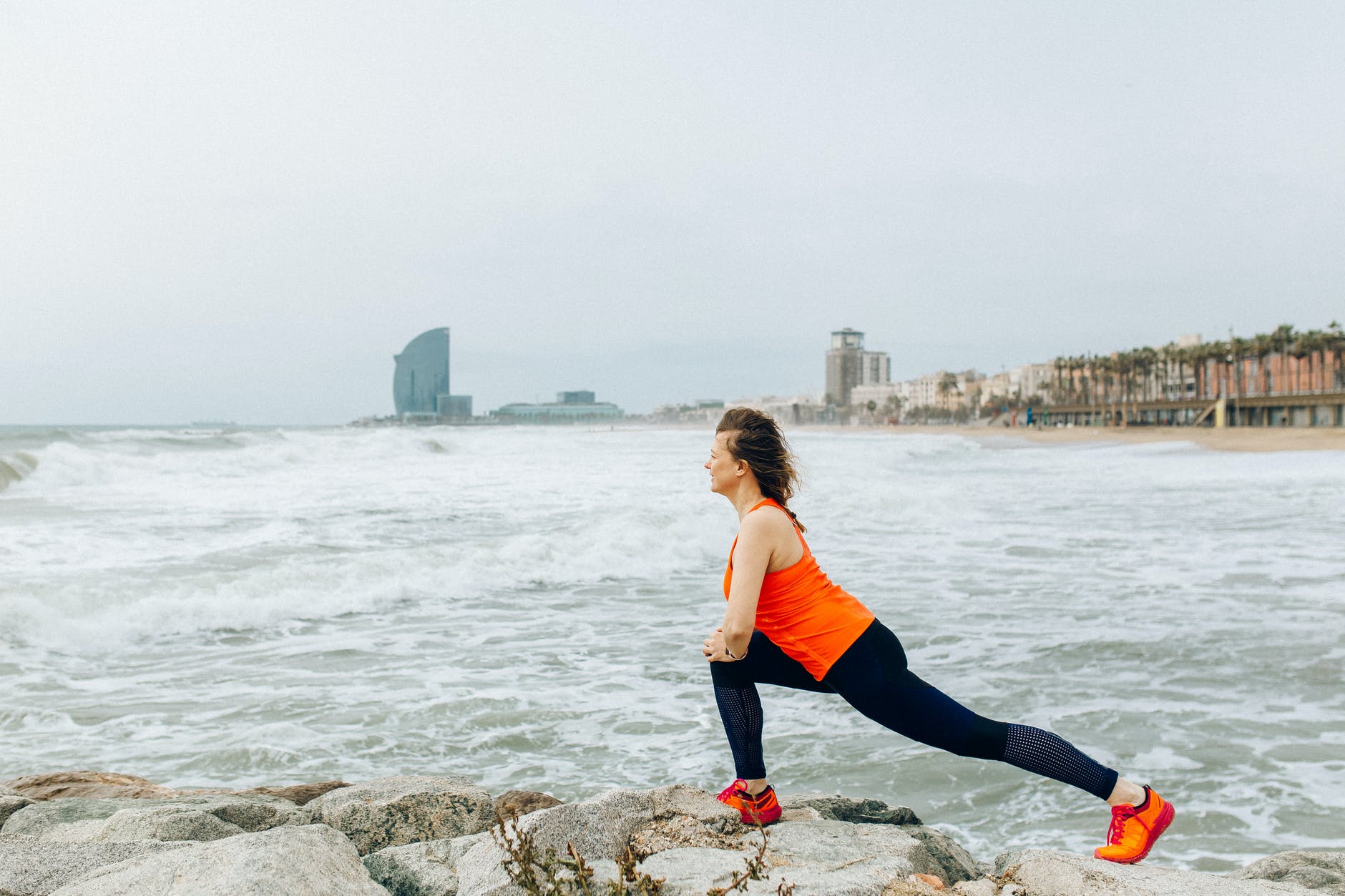
Activities that lengthen and stretch your muscles help keep your body limber, prevent injuries and back pain, and preserve range of motion. Yoga and Pilates can help you regain and maintain flexibility — and build strength at the same time. Once you develop strength and flexibility together, your body can withstand more physical stress, which helps prevent injury.
Benefits of flexibility
- Improved posture and balance
- Fewer injuries
- Less pain
- Better balance and strength
Stability & Balance
The most overlooked and arguably most important word in health and fitness is balance. Balance equals control. Balance training strengthens the muscles that keep you upright — legs and core. As we get older, even a little, this ability is what lets you continue everyday activities like walking, going up stairs, and even leaning over to tie your shoes.
Certain yoga poses, standing on one foot, heel-to-toe walking, and tai chi poses improve coordination and your ability to react to sudden changes of direction — which can prevent falls.
Six manageable ways to get started
1. Just Move It
Nike says Just Do It. I say Just Move It. Do something every day to groove your body. Studies show that just 30 minutes of physical activity a day is enough to reap real benefits. That said — it's not OK to sit for the rest of the day. Regular movements like walking, lifting, and bending add cumulative benefits to your health and fitness.
2. Find something you enjoy
Exercise doesn't have to be complicated or boring. Is there a sport you like or used to play? Your local recreation center may offer adult teams and classes. Look into continuing education programs, or try adult ballet on YouTube from your living room. When you find something you enjoy, schedule it in your calendar and Just Move It.
3. Slowly increase intensity
Once you've been doing an activity for a while, it's easy to get stuck. Slowly add intensity — a few minutes of jogging in your walks, short explosive bursts, a hill workout, or a little more weight with fewer reps. Adding intensity too fast can cause injury and burnout, so listen to your body. Post-workout recovery matters just as much as the workout itself.
4. Keep it simple
You don't need expensive equipment or a gym membership — especially when starting. Bodyweight exercises can do amazing things, and if you're a beginner, that's where to start before progressing to weights. You don't need cardio machines either. Walk, run, bike, skip, or jump outside. Your local high school football stadium is a perfect place for a stair workout.
If you choose weights, a few dumbbells of different sizes or a set of resistance bands are all you really need. When you're ready to level up, plenty of great facilities can help you get there.
5. Set goals — with a WHY
Setting strategic goals helps you pick the right actions, put in more effort, and stay in it for the long run. Understand your WHY. Saying you want to lose 10 lbs is specific — but is it enough to keep you motivated? Say your goal is to lose 10 lbs so you can take a hiking trip in the mountains. Now that's specific.
6. Give it time
You'll notice improvements after a few weeks — better posture, more energy. Too often people expect BIG results in the first month. The media makes it look possible, but true fitness rarely happens that way. It's a process and a lifestyle change. Enjoy the process and the reward will come.
Non-weight-loss reasons to exercise
- More energy
- More confidence
- Less stress
- Less anxiety
- Reduced feelings of depression
- Better sleep — which is when your muscles actually recover
Additional resources
- 4 stretches your after-50 body will love
- 15-minute beginner flexibility routine
- The best 15-minute beginner workout (no equipment)
In-home fitness programs
Gyms & athletic clubs
Explore more
Back to the full Library